
As the weather starts to cool down, most homes begin relying more on heaters, space heaters, and other electrical devices. This puts extra pressure on your home’s electrical system. Small issues that were not noticeable in summer can become bigger risks during the colder months.
Taking a few simple steps now can help reduce the chance of electrical problems when you need heat the most.
If your home hasn’t had an electrical safety check in a while, it may be a good time to schedule one. You can reach Prime HVAC and Electrical online or call (901) 676-7756 for help before small issues become bigger problems.
Why Electrical Safety Matters in Heating Season
When temperatures drop, homes use more electricity. Heaters, furnaces, and portable heating devices can all increase your system's load.
If your wiring or outlets are old or overloaded, this extra demand can lead to:
- Flickering lights
- Tripped breakers
- Overheated outlets
- Electrical fires in serious cases
Understanding your home’s electrical limits helps keep everything running safely.
Check Your Outlets and Power Strips
Outlets are among the most commonly used parts of your electrical system. Before heating season, take a quick look around your home.
Watch for:
- Warm or discolored outlets
- Loose plugs that fall out easily
- Overloaded power strips with too many devices
Avoid plugging heaters into extension cords. They draw a lot of power and can overheat cords not designed for that load.
If you notice any of these issues, schedule a check with a professional.
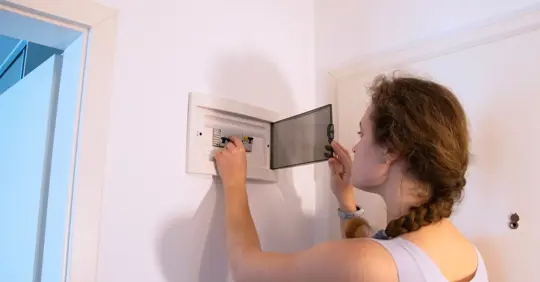
Test Your Circuit Breaker Panel
Your breaker panel controls all electricity in your home. It protects your wiring by shutting off power if something goes wrong.
Before winter:
- Make sure breakers are clearly labeled
- Check for breakers that trip often
- Look for rust, buzzing sounds, or burning smells
If anything seems unusual, do not try to fix it yourself. Electrical panels can be dangerous without training.
Inspect Space Heaters and Portable Devices
Space heaters are common during colder months, but they need careful use.
Safety tips:
- Keep at least 3 feet of space around heaters
- Never leave them running overnight
- Plug directly into wall outlets only
- Avoid using multiple heaters on the same circuit
If your heater keeps tripping breakers, your system may be overloaded.
Look for Warning Signs in Your Home Wiring
Older homes or aging wiring systems may struggle during heating season.
Warning signs include:
- Lights dim when appliances turn on
- Frequent breaker trips
- Burning smell near outlets
- Outlets that do not work at all
These signs should not be ignored. A professional inspection can help identify the cause before it becomes a bigger issue.
Make Sure Your HVAC and Electrical Systems Work Together
Heating systems rely on both HVAC and electrical components. If either system is weak, your home comfort can suffer.
A quick seasonal check can help ensure:
- Thermostats respond correctly
- Heating systems turn on smoothly
- Electrical load is balanced
Simple Steps Homeowners Can Do Today
Before calling a professional, homeowners can:
- Unplug unused devices
- Avoid daisy-chaining power strips
- Check cords for damage
- Reset tripped breakers once safely
These small habits can reduce strain on your system during colder months.
Stay Ahead of Cold-Weather Electrical Issues
The heating season brings extra demand on your home’s electrical system. A few simple safety checks can help reduce risks and keep your home running smoothly.
If you notice anything unusual—or want peace of mind before winter—Prime HVAC and Electrical can help with inspections and electrical support.
Visit our contact page or call (901) 676-7756 to schedule a service before the colder weather fully sets in.